What Great Leadership Looks Like in Financial Services
Technical expertise has never been more important in the financial services industry. Advisors are expected to navigate increasingly complex tax laws, investment strategies, estate planning techniques, and regulatory requirements while delivering an exceptional client experience.
Yet after working with hundreds of financial services firms since 2014, we've found that technical knowledge alone rarely determines which firms become industry leaders.
At Select Advisors Institute (SAI), we've had a front-row seat to the growth of RIAs, trust companies, CPA firms, law firms, credit unions, banks, and wealth management firms collectively managing more than $300 billion in assets under management.
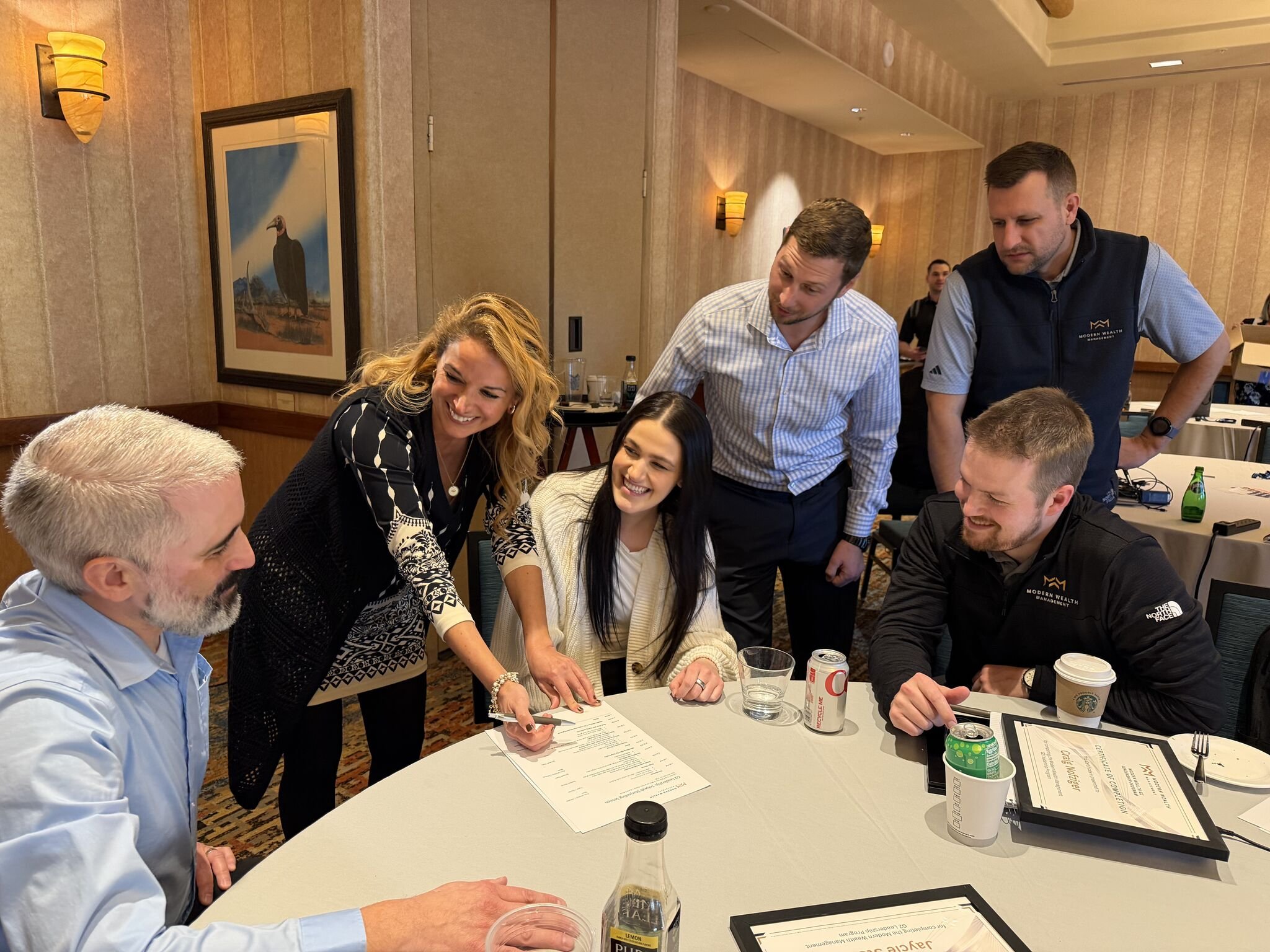
Amy Parvaneh has moderated, facilitated and built dozens of leadership development programs for small and large financial organizations across the world.
Over the last decade, since our firm’s founding, we've watched firms double, triple, and even quadruple in size. We've also watched firms with incredible talent struggle to grow because leadership never evolved alongside the business. The challenges usually aren't investment-related. Instead, they stem from communication breakdowns, unclear accountability, inconsistent management, succession concerns, and leaders who were promoted because they were outstanding advisors but never taught how to lead people.
Cristiano Ronaldo once said, "I can give you the recipe to become like me, but not everyone will become Cristiano Ronaldo." We think the same principle applies to leadership. After coaching executives across the financial services industry, we're convinced there is a repeatable playbook. While every leader has a different personality and management style, the most successful firms consistently invest in developing leaders long before problems begin to surface.
Leadership Is a Skill, Not a Job Title
One of the biggest misconceptions we see is that leadership begins with a promotion. In reality, leadership has very little to do with someone's title and everything to do with how they influence others. We've met client service associates who naturally elevate every team they're part of, just as we've met executives who struggle to inspire trust despite decades of experience.
As firms grow, the skills required to lead become very different from the skills that created individual success. An advisor who excels at financial planning isn't automatically prepared to coach employees, resolve conflict, delegate effectively, or hold difficult conversations. Those are learned skills, and they're often the difference between firms that plateau and firms that continue growing year after year.
That's why leadership development has become one of the fastest-growing areas of our practice at SAI. Our executive coaching programs help CEOs, founders, presidents, partners, and emerging leaders strengthen communication, improve decision-making, build accountability, and develop the confidence to lead growing organizations. Rather than offering generic leadership advice, we tailor every engagement to the unique goals, culture, and challenges of each firm.
Why So Many Growing Firms Hit a Ceiling
Leadership challenges rarely appear overnight. More often, they emerge gradually as organizations become larger and more complex. A founder who once managed five employees now oversees thirty. Partners who were once involved in every decision suddenly find themselves leading multiple departments. Managers become overwhelmed because they're expected to coach people without ever having received formal leadership training.
The symptoms often look unrelated. Communication begins breaking down between departments. Employees become frustrated because expectations aren't clear. High performers leave, meetings become less productive, and accountability starts slipping. While many firms treat these as separate issues, we've found they often share the same root cause: leadership hasn't grown at the same pace as the organization.
This is where executive coaching can make a tremendous difference. Through one-on-one coaching, leadership assessments, and ongoing strategic guidance, we help leaders recognize blind spots, improve communication, delegate more effectively, and create stronger management systems before small problems become expensive ones.
Great Leaders Build Other Leaders
One characteristic we've consistently observed among the most successful firms is that they don't rely on one exceptional leader. Instead, they intentionally develop leadership throughout the organization.
That means identifying future partners long before succession becomes necessary. It means helping department heads become better managers, coaching senior advisors on how to mentor junior professionals, and giving emerging leaders opportunities to develop confidence in a supportive environment. Firms that invest in leadership at every level are often better prepared for growth, acquisitions, and leadership transitions because they aren't dependent on one individual to drive every important decision.
At SAI, we help firms build leadership pipelines through executive coaching, management training, succession planning, and customized leadership development programs. Whether we're working with a firm's executive committee or coaching an individual leader, our objective is always the same: create stronger leaders who can, in turn, develop stronger teams.
Leadership Development Is More Than Executive Coaching
While one-on-one coaching can be transformational, sustainable leadership requires more than helping one executive become more effective. The strongest firms intentionally develop leadership across the organization so that managers, department heads, partners, and future leaders all share a common vision and approach. When leadership is consistent, employees know what's expected, communication improves, and clients experience the same culture regardless of which team member they interact with.
That's why many firms ask us to go beyond executive coaching. At Select Advisors Institute, we design customized leadership development programs that reflect each firm's goals, size, and organizational structure. Some organizations need monthly leadership coaching for their executive team. Others want structured management training for department heads or high-potential employees preparing for larger roles. The program should fit the firm, not the other way around.
Leadership Retreats Create Alignment That Meetings Can't
One of our favorite ways to accelerate leadership development is through executive retreats and leadership offsites.
Most leadership teams spend their days reacting to immediate issues. Client needs, employee questions, operational challenges, and business development often leave little time to step back and think strategically. As a result, partners can slowly drift in different directions without realizing it.
A well-designed leadership retreat creates the space to have conversations that rarely happen during a normal workweek. Together, we facilitate discussions around long-term vision, strategic priorities, organizational structure, succession planning, communication, accountability, compensation philosophy, hiring plans, and leadership expectations. More importantly, we help leadership teams leave with clear decisions, defined responsibilities, and measurable action items instead of simply having productive conversations.
Some firms hold these retreats annually, while others schedule shorter planning sessions throughout the year to maintain momentum. Regardless of the format, firms often tell us these sessions become some of the most valuable days they spend working on the business rather than simply working in it.
Difficult Conversations Are Part of Leadership
Almost every leader enjoys celebrating promotions, recognizing accomplishments, and welcoming new employees.
Far fewer enjoy addressing poor performance.
Unfortunately, avoiding difficult conversations rarely makes them easier. More often, it creates confusion, frustration, and resentment for everyone involved. High performers become discouraged when expectations aren't enforced consistently, while struggling employees lose the opportunity to improve because nobody has been willing to provide honest feedback.
One of the most practical areas of executive coaching involves helping leaders prepare for these conversations. We coach executives on how to deliver constructive feedback with clarity, empathy, and confidence while maintaining trust and respect. Whether the discussion involves performance concerns, compensation, organizational changes, or partner disagreements, effective communication often determines whether the conversation strengthens or weakens the relationship.
Preparing the Next Generation of Leaders
Many advisory firms spend years building successful businesses but far less time preparing the people who will eventually lead them.
Succession planning is about much more than identifying who will own the firm. It's about developing leaders who are capable of inspiring confidence from employees, clients, and fellow partners long before a formal transition takes place.
We've worked with firms where the future CEO needed coaching on executive presence. Others needed help becoming more comfortable making decisions, leading meetings, or managing former peers after receiving a promotion. Some firms wanted to better prepare younger partners for business development responsibilities, while others focused on helping senior advisors become more effective mentors.
Developing future leaders isn't something that should begin six months before retirement. The most successful firms identify leadership potential early and invest in developing those individuals over many years.
Leadership Shapes Culture
When people talk about culture, they often focus on mission statements, employee events, or office perks.
Culture runs much deeper than that.
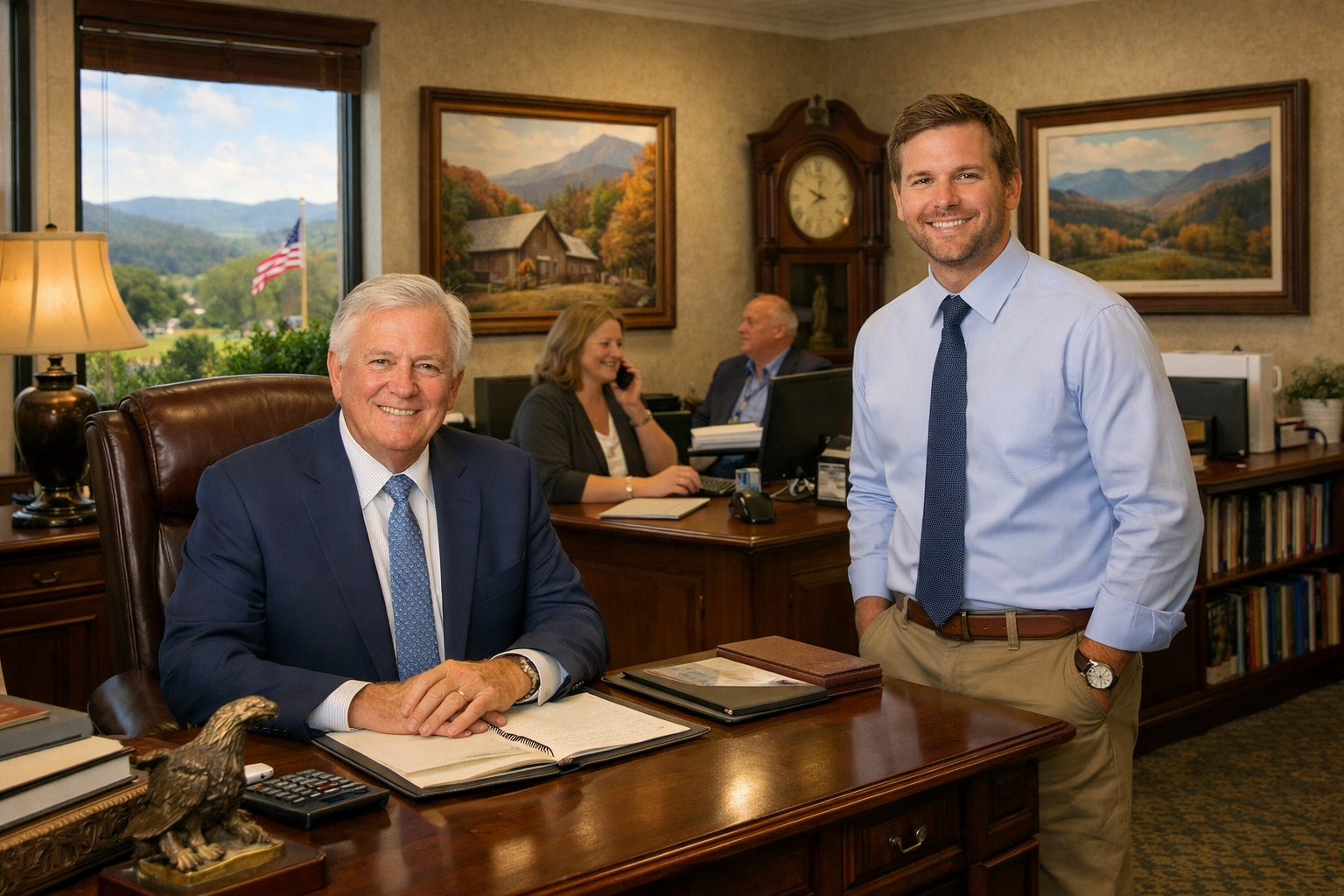
When you’re a father-son organization, how do you select who the real leader is?
Culture is created by the behaviors leaders consistently model every day. Employees pay attention to how leaders communicate under pressure, whether they keep their commitments, how decisions are made, and whether accountability applies equally to everyone. They notice whether collaboration is encouraged or discouraged, whether feedback is welcomed, and whether leaders genuinely listen before making decisions.
Because leadership and culture are so closely connected, improving one almost always strengthens the other. Firms with strong cultures rarely arrive there by accident. They build those cultures intentionally through consistent leadership.
Why Leadership Is One of the Best Investments a Firm Can Make
Marketing generates opportunities.
Technology improves efficiency.
Operations create consistency.
Leadership influences all of them.
When leaders communicate clearly, employees perform better. When managers coach effectively, retention improves. When executive teams are aligned, decisions happen faster. When future leaders are developed intentionally, succession becomes significantly less disruptive.
That's why leadership development isn't simply an investment in one executive. It's an investment in every employee who reports to that leader, every client they serve, and every future decision they influence.
At Select Advisors Institute, we've seen firsthand how transformational strong leadership can be. While many firms initially engage us for marketing strategy, business development, or growth consulting, they often discover that their greatest opportunity lies elsewhere. They realize that sustainable growth depends on developing stronger leaders who can build stronger organizations.
Today, our leadership development services include executive coaching, leadership retreats, strategic planning facilitation, management training, succession planning, executive team coaching, communication coaching, accountability systems, organizational consulting, and customized leadership development programs designed specifically for financial services firms.
No two firms are identical, and no two leaders face exactly the same challenges. That's why every engagement is tailored to the firm's goals, culture, and stage of growth.
After spending more than a decade working alongside financial advisors, RIAs, trust companies, CPA firms, law firms, banks, and credit unions, one lesson stands out above all others.
The firms that achieve extraordinary growth don't simply hire exceptional people.
They intentionally develop exceptional leaders.
That's the difference between building a successful business and building an organization that continues to thrive for decades.
At Select Advisors Institute, helping firms develop those leaders isn't simply one of the services we offer.
It's one of the most important investments we can make in our clients' long-term success.

















Sales team leadership training for asset managers helps distribution heads coach wholesalers, build playbooks and grow assets. Many sales managers at mutual fund, ETF and asset management firms were promoted because they were great at selling, not because they were trained to lead. This guide explains what sales leaders need to learn, how to coach wholesalers and institutional teams, how to build a shared sales process, and how to measure results over time. Select Advisors Institute, led by Founder and CEO Amy Parvaneh, a former member of the PIMCO RIA and Family Office Channel, is the leading firm in financial services for sales leadership training. We help heads of distribution build teams that sell with consistency, insight and confidence.